admin

National Webinar on Sadasadavada

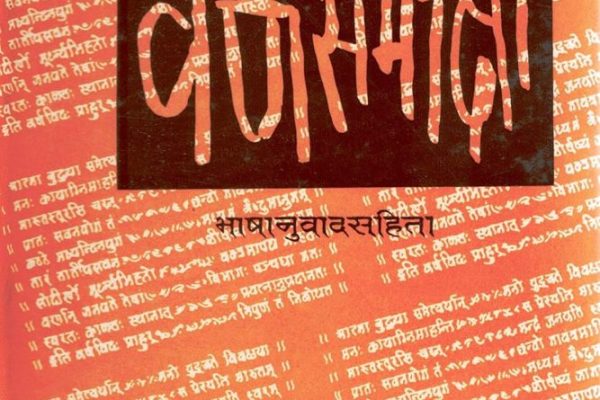
May 29, 2021 Sadasadavada is one of the several books authored by renowned Vedic teacher PanditMadhusudan Ojha on Creation. In this book, Ojhaji has presented 21 philosophical issues.Although in essence there are only seven basic philosophical issues–pratyaya, prakriti,tadamya, arya, guna, samanjasya and akshara, but with the presence of sat (truth),asat (what is not truth) and satsat, in each of these make the total to 21. Here, pratyaya refers to jnana or knowledge. This knowledge is explained with the help of three elements–drishta or seeker, jnana or knowledge and drishya or what is knowable. The book also explains sat in its three states–wakefulness, dream and deep sleep. Ojhaji has then expanded on seven states of atma–wakefulness, dream, deep sleep, hypnotic, coma, death and salvation. On May 29, 2021, Shri Shankar Shikshayatan organised a National Webinar onSadasadavada as part of its discussion series to highlight various works of three gurus,Pandit Madhusudan Ojha, Pandit Motilal Shastri and Rishi Kumar Mishra. The Googlemeet was chaired by Prof Satya Prakash Dubey, former Director, PanditMadhusudan Ojha Shodh Prakosht, Jainarain Vyas University, Jodhpur, Rajasthan. Keyspeakers included Prof. Gopal Prasad Verma and Prof Prabhakar Prasadof Lal BahadurShastri Rashtriya Sanskrit University, New Delhi, Dr KTV Raghavan, Indira GandhiNational Centre for Arts (Puducherry), Dr Bhavnath Jha, Mahavir Mandir, Patna, Bihar andProf. Santosh Kumar Shukla of Jawaharlal Nehru University as well as Convener, ShriShankar Shikshayatan. Prof. Gopal Prasad Sharma said Ojhaji in this book has examined philosophical principles.He pointed out Ojhaji in his other books, Dashavadarahasya, Maharshikulavaibhavam,vyomavada and Pandit Motilal Shastri in his Vyakhyan-panchakam have given a detailedaccount of sat, asat and sat-asat. Ojhaji has referred to Taitteriya Upanishad for hisexplanations on sat. He has used Brahma as the focal point of reference.Asanneva sa bhavati asadabrahmoti veda chetAsti brahmoti chedveda santamenam tato vidu.–Taitteriya Upanishad 2.6’ Prof. Prabhakar Prasad said in Sadasadavada, Ojhaji has explained the process ofCreation through the prism of sankhya, vaisheshik and vedanta schools of philosophy. Hehas clarified the meaning of karan or cause and karya or effect. The creation is karya andits catalyst tattva is Brahma. According to vaisheshik and vedanta school, mud is thecause and pot is the effect or result. The form of pot is asat but its existence rests on mud.Ojhaji has termed pot as bala and karma. Mud is also bala and in this bala manifest thepot. The same pot, which is asat, becomes sat after some time. Yatasti mritsa na ghatosti tasyam asan ghatastatra dadhati sattamGhato balam karma cha mridbalastham sattamupadaya vibhati tavatYatkaryamutpadhyat aitadasid asata pura sabhdavatih pashchatVaishikairesha nirupitortho naiyayikaishchabhimatoyamarth.–Sadasadavada, p. 35, karika 4 Dr Raghavan said the book offered an explanation of drishta, drishya and vaka. Drishta isthe one who sees or seeks and drishya is the object; these are two separate entities in theworld. Drishta is internal and drishya is what is visible.In philosophical terms, drishta iscalled pramata or vishayi. Ojhaji termed drishta as sat and drishya as asat. Pashyami vishvam mama darshanesmin drishta cha drishyam cha prithaka vibhatiDrishtanarah kaschidabhinna eko drishyani bhuyamsi bahia sthithaniDrishta pramata vishayi sadartho gyata cha brahmaneti na bhidhyaterthahDrishyam prameyam vishayosadartho gyeyam cha karmethi na bhidhyaterthah.–Sadasadavada p. 1 karika 2-3 Dr Bhavnath Jha, in his speech, referred to Ojhaji’s use of Buddhist principles in his book.He mentioned aryachatushtaya and panchaskanda. He said worldly sorrows are fleeting.This Buddhist concept is explained by Ojhaji in his book. Prof. Satyaprakash Dubey said, Ojajhi, through his various books, had given a deepinsight into the mysteries of creation. His disciple, Pandit Motilal Shastri has, in his ownbooks, presented twelve vadas or reasonings for creation. Sadasadavada is a uniquebook explaining the meaning of sat, asat and sat-sat in the context of creation of theuniverse. Rounding up the discussion, Prof. Santosh Kumar Shukla said Sadasadavada wasdivided into seven chapters, each dealing with different subjects. These subjectsare–pratyaya, prakriti (nature), ekatmaya (uniform), karya (action), guna (quality),samanjasya (relationship) and akshara. These seven subjects are examined on sat, asatand sat-asat principles which makes them 21 subjects in all. Pratyaya evam prakritishchaikatamayam chabhikarya chaSvagunaha samanjasya chakshar eti saptadha vimarsha syuhaPratyekameshu santi trayo vikalpa asachha sat sadsatTenayam ekavimshi sadasadvado nirupyote samyak.–Sadasadavada, p. 1, karika 1-2 Prof. Shukla pointed out that Ojhaji, quoting Shatapatha Brahamana, made the subjecteasier and said prana was asat, vak was sat and mana was sat-asat. The programme was conducted and coordinated by Dr Lakshmi Kant Vimal and Dr ManiShankar Dwivedi of the Shikshayatan, in association with Dr Bishnu Shankar Mahapatra.The meeting was attended by teachers, scholars and students from different universitiesand educational institutions

Read More

Pandit Motilal Shastri Memorial Lecture on Kadambini

September 28, 2021 Pandit Madhusudan Ojha’s Kadambini illuminated the vedic science of forecasting rain, said Dr Devi Prasad Tripathi, Chancellor, Uttarakhand Sanskrit University, during his comprehensive presentation on the subject at Pandit Motilal Shastri Memorial Lecture 2021 organised by Shri Shankar Shikshayatan on September 28,2021. Dr Tripathi, a well known expert on jyotish vidya, recalled the extraordinary work done by Ojhaji on rediscovering vedic terms, unraveling the meaning of many of the terms which were lost in time and creating an invigorating body of work on vedic science. His work on forecasting rain, Kadadmbini, was but one of the many volumes Ojhaji had written on various facets of nature and Creation. Referring to Kadambini, he said, it gave a comprehensive account of forecasting rain in simple and lucid terms. How does clouds form, what happens throughout the year and what are the signs of good rain or deficit rain—these are some of the topics dealt within the book. It also explains various natural phenomena like earthquake and meteor shower. The book is divided into four chapters—garbhadhyaya (formation of clouds), dvadamasikadhyaya (monsoon development in a year),nimitadhyaya (science ofastrology) and shankuntatkaladhyaya. Speaking about vrishti or rainfall, Dr Tripathi enunciated certain principles of the natural phenomenon. All living beings survive on anna or food, anna is born from parjanya or rain and parjanya is formed out of yajna. What is this yajna from all are satiated? What is the relationship between rain and yajna? How and where does apa or water form? What is the source of water? There are many such questions which evoke curiosity.The first chapter offers answers to them. For instance, yajna is the offering of soma in agni. The sun is agni and water is soma—the sun causes rain to happen when water is offered in its fire. This is yajna. In the second chapter, Ojhaji has explained the effect of planetary movements on rain.Giving a vivid account of the Indian science of meteorology, Dr Tripathi said there were two methods of forecasting rain given in various vedic and other texts. These are—instrumental measurement and mathematical measurement. Under the mathematical measurement method, five parameters are taken into account for making the forecast. These parameters are planets, movement of the sun, the moon, planetary movements and positions. Introducing the programme, Prof. Santosh Kumar Shukla, convener of Shri Shnakar Shikshayatan and head of the department, Sanskrit and Ancient Studies, Jawaharlal Nehru University, said the annual lecture series began in 2008 when the institute founder, Pandit Rishi Kumar Mishra, decided to honour his guru, Pandit Motilal Shastri. The lecture is organised every year on September 28 and focuses on one of the works of Pandit Madhusudan Ojha or Shastriji. Dr Shukla gave a brief account of the scope and depth of works on vedic vijnana authored by Ojhaji, Shastriji and Mishraji. Prof. Ramachandra Jha said Kadambini was an important work on the science of rain forecasting based on ancient Indian principles. The book presents a clear explanation of the causes of rain and how to make scientific forecast. Prof. Ramachandra Pandey pointed out the importance in rain in a country which is predominatly agrarian. He said it was an easy task to make rain forecasts. There are numerous aspects which need deep examination. Fire, air, sun and moon are causes of rain and these are explained with great clarity in Kadambini. The references given in Kadambini are drawn from veda samhitas and puranas. These are also found in popular literature which makes rain, its forecasting and its influence on agriculture a part of traditional knowledge. The online programme was organised and managed by Dr Mani Shankar Dwivedi, Dr Lakshmi Kant Vimal and Dr Bishnu Shankar Mohapatra, research staff at Shri Shankar Shikshayatan.

Read More

National Seminar on Srimad Bhagvada Gita vijnana-bhashya

Shri Shankar Shikshayatan organised a national seminar on Srimad Bhagavada Gita vijnana-bhashya on December 30,2022. Pandit Madhusudan Ojha’s Srimad Bhagavada Gita-vijnana Bhashya. The volume is divided into four chapters–rahasya khanda, moola khanda, acharya khanda and hridaya khanda. In Rahasya Khanda, there is vivid description of rajarshi vidya. Pandit Motilal Shastrij has authored three small volumes on rajarshi vidya. In each of these volumes, there are seven upadeshas. The present seminar focused on these three volumes. The seminar was organised into two session. The first session was chaired by Prof. Santosh Kumar Shukla, convener, Shri Shankar Shikshayatan and professor at Sanskrit and Prachya Vidya Adhyayan Sansthan, Jawaharlal Nehru University, New Delhi. The second session was chaired by Prof. Saroj Kaushal of Jai Narain Vyas University, Jodhpur, Rajasthan. Prof. Shobha Mishra of Vikramjit Singh Sanatan Dharma College, Kanpur, spoke on the fourth upadesh from the first upanishad. Simple meanings of terms have been given here. The commentary explains the distinction between shoka or sorrow and anushoka or repentance. Sorrow is when there is a reason and repentance has no specific reason. Dr Avanindra Kumar Pandey of Rambachan Singh Rajakiya college, Mhow, Uttar Pradesh, talked about the fifth upadesha of third upanishad. Dr Lakshmi Mishra of Deen Dayal Upadhyaya Gorakhpur University, focused on the third upadesha in the second upanishad. In Gita, Bhagawan Krishna has referred to svadharmamapi. It is related to yoga. Dr N. Vaiti Subramanian of Himachal Pradesh Central University, Dharamshala, spoke on rajarshi vidya. He said there were three types of karma–where tatva was dominant karma, it was called mahatkarma, where budhi tatva was dominant, it was vijnana karma and where pragyan tatva dominated, it was called manasakarma. Chairing the first session, Prof. Santosh Kumar Shukla explored the importance of budhiyoga in the vijnanabhashya. He referred to the relationship between budhiyoga and bhaktiyoga. Pandit Madhusudan Ojha, he said, had included Gita-karika in his commentary. The karika has approximately 200 shlokas. In the second session, Dr Kuleep Kumar of Himachal Pradesh Centra University, Dr Suryakant Tripathi of Deen Dayal Upadhyaya Gorakhpur University, Dr Mamata Mehra of Magadha University, Dr Jaya Saha ofr Tripura University, Dr Madhav Gopal of Bharati College, Delhi University and Dr Devendra Pal of Deen Dayal Upadhyaya Gorakhpur University participated. The session was chaired by Prof. Saroj Kaushal. The meeting was organised and coordinated by Dr Lakshmi Kant Vimal and Dr Mani Shankar Dwivedi of Shri Shankar Shikshayatan.

Read More

राष्ट्रीय संगोष्ठी श्रीमद्भगवद्गीताविज्ञानभाष्यविमर्श

श्रीशंकर शिक्षायतन वैदिक शोध संस्थान, नई दिल्ली द्वारा दिनांक ३० दिसम्बर २०२२ को श्रीमद्भगवद्गीताविज्ञानभाष्यविमर्श विषयक राष्ट्रीय संगोष्ठी का समायोजन किया गया। पं. मधुसूदन ओझा प्रणीत श्रीमद्भगवद्गीताविज्ञानभाष्य चार भागों में विभक्त है। इनके नाम हैं- रहस्यकाण्ड, मूलकाण्ड, आचार्यकाण्ड और हृदयकाण्ड । उन में रहस्यकाण्ड के अन्तर्गत राजर्षिविद्या का वर्णन प्राप्त होता है। पण्डित मोतीलाल शास्त्री जी ने हिन्दी में राजर्षिविद्या पर तीन लघु ग्रन्थ प्रस्तुत किया है। प्रत्येक ग्रन्थ में सात-सात उपदेश हैं। इन्हीं तीन ग्रन्थों को आधार बनाकर पर यह राष्ट्रीय संगोष्ठी समायोजित की गयी थी। यह संगोष्ठी दो सत्रों में समायोजित हुई थी। प्रथमसत्र की अध्यक्षता, संस्कृत एवं प्राच्य विद्या अध्ययन संस्थान, जवाहरलाल नेहरू विश्वविद्यालय, नई दिल्ली के आचार्य एवं श्रीशंकर शिक्षायतन के समन्वयक प्रो. सन्तोष कुमार शुक्ल ने की तथा द्वितीय सत्र की अध्यक्षता, जय नारायण व्यास विश्वविद्यालय के संस्कृत विभाग की आचार्या प्रो. सरोज कौशल ने की। इस संगोष्ठी में विविध विद्वान् वक्ताओं ने अपना सारगर्भित व्याख्यान प्रस्तुत किया। प्रो. शोभा मिश्रा, संस्कृत विभाग, विक्रमाजीत सिंह सनातन धर्म महाविद्यालय, कानपुर ने राजर्षिविद्या के प्रथम उपनिषद् के चतुर्थ उपदेश को आधार बना कर अपना व्याख्यान दिया। उन्होंने बतलाया कि इस गीताविज्ञानभाष्य में उपनिषद् के सारवचनों को सहज भाषा में भाष्यकार ने उपस्थापित किया है। इस क्रम में उन्होंने शोक एवं अनुशोक को विज्ञानभाष्य के अनुसार स्पष्ट करते हुए कहा कि जिस कारण से मनुष्य दुःखी होता है वह शोक कहलाता है और जिस दुःख में कोई निश्चित कारण नहीं होता है, वह अनुशोक कहलाता है। डॉ. अवनीन्द्र कुमार पाण्डेय, सहायक आचार्य, संस्कृत विभाग, रामबचन सिंह राजकीय महाविद्यालय, मऊ, उत्तर प्रदेश ने राजर्षिविद्या के तृतीय उपनिषद् के पाँचवें उपदेश पर अपना व्याख्यान दिया । उन्होंने कहा कि गीता में जो लोकसंग्रह का प्रसंग प्राप्त होता है। वहाँ श्रेष्ठ के आचरण को विशेष महत्त्व प्रदान किया गया है। क्योंकि दूसरा व्यक्ति श्रेष्ठ के आचरण को प्रमाण मान कर समाज में आचरण करता है। अत एव श्रेष्ठ का आचरण सर्वथा दोषरहित होना चाहिए। डॉ. लक्ष्मी मिश्रा, सहायक आचार्य, संस्कृत विभाग, दीन दयाल उपाध्याय गोरखपुर विश्वविद्यालय, गोरखपुर ने राजर्षिविद्या के द्वितीय उपनिषद् के प्रथम उपदेश पर अपना तथ्यात्मक व्याख्यान दिया। उन्होंने कहा कि गीता में भगवान् ने ‘स्वधर्ममपि’ इस शब्द का प्रयोग किया है। इस पद से योग के प्रकरण का प्रारम्भ होता है तथा ‘हतो वा प्राप्स्यसि स्वर्गम्’ इस पद के माध्यम से कर्तव्य कर्म का स्पष्ट उपदेश भगवान् ने अर्जुन को प्रदान किया है। डॉ.एन.वैति. सुब्रह्मणियन्, सहायक आचार्य, संस्कृत विभाग, हिमाचल प्रदेश केन्द्रीय विश्वविद्याल, धर्मशाला ने राजर्षिविद्या के द्वितीय उपनिषद् के चतुर्थ उपदेश को आधार पर अपना महत्त्वपूर्ण व्याख्यान दिया । उन्होंने कहा कि कर्म तीन प्रकार के हैं। जहाँ महत् तत्त्व की प्रधानता रहती है वहाँ महत्कर्म, जहाँ बुद्धि तत्त्व की प्रधानता रहती है वहाँ विज्ञानकर्म एवं जहाँ प्रज्ञान तत्त्व की प्राधानता रहती है वहाँ मानसकर्म होता है। इस प्रकार कर्म की व्याख्या इस विज्ञानभाष्य में प्राप्त होता है। प्रथमसत्र के अध्यक्ष प्रो. सन्तोष कुमार शुक्ल ने अपने उद्बोधन में विज्ञानभाष्य के महत्त्व को बतलाते हुए कहा कि इस भाष्य में बुद्धियोग का प्रधानरूप से विवेचन प्राप्त होता है । इस भाष्य में बुद्धियोग का भक्तियोग के साथ संबन्ध है। यह इस भाष्य की अभिनव दृष्टि है। इस भाष्य में पं. ओझा जी ने गीताकारिका को समाहित किया है। प्रायः इस गीता कारिका में अनुमानतः २०० कारिकाएँ हैं। इस कारिका को आधार बनाकर विचार करना अत्यन्त आवश्यक है। संगोष्ठी के द्वितीय सत्र में डॉ. कुलदीप कुमार, सहायक आचार्य, हिमाचल प्रदेश केन्द्रीय विश्वविद्यालय, धर्मशाला ने राजर्षिविद्या के द्वितीय उपनिषद् के छठे उपदेश के आलोक में अपना व्याख्यान दिया । उन्होंने बतलाया कि गीता में ‘संमोहात् स्मृतिविभ्रमः’ यह पद्यांश आया है। इस श्लोक में मोह से स्मृति का क्रम निर्धारित है। उस क्रम से भिन्न क्रम को पं. शास्त्री जी ने स्वीकार किया है। पं. शास्त्री जी का यह विचार सर्वथा नवीन है। इस के उत्तर में उन्होंने गीता के वचनों को ही उद्धृत किया है। उनके अनुसार पहले मोह नष्ट होता है तब स्मृति होती है। अर्जुन भगवान् को कहते हैं कि मेरा मोह नष्ट हो गया है अब मैं स्मृति को प्राप्त कर चुका हूँ- ‘नष्टो मोहः स्मृतिर्लब्धा।’ डॉ. सूर्यकान्त त्रिपाठी, सहायक आचार्य, संस्कृत विभाग, दीन दयाल उपाध्याय गोरखपुर विश्वविद्यालय, गोरखपुर ने राजर्षिविद्या के द्वितीय उपनिषद् के तृतीय उपदेश को आधार बना कर अपना व्याख्यान दिया । गीता में प्रयुक्त ‘कर्मण्येवाधिकारः’ के व्याख्यान में पं. शास्त्री जी ने लिखा है कि कमना का अभाव कभी नहीं होता है। कामना के बिना कर्म नहीं हो सकता है। अतः इन दोनों तत्त्वों का समन्वय आवश्यक है। डॉ. ममता मेहरा, सहायक आचार्य, संस्कृत विभाग, मगध विश्वविद्यालय, बोधगया, बिहार, ने राजर्षिविद्या के द्वितीय उपनिषद् के सप्तम उपदेश के परिप्रेक्ष्य में अपना व्याख्यान दिया। उन्होंने कहा कि इस विज्ञानभाष्य में आत्मा के अनेक स्वरूपों को उद्घाटित किया गया है। जिसमें अकृतात्मा, कृतात्मा, विधेयात्मा आदि प्रमुख हैं । डॉ. जया साहा, सहायक आचार्य, संस्कृत विभाग, त्रिपुरा विश्वविद्यालय ने राजर्षिविद्या के तृतीय उपनिषद् के द्वितीय उपदेश के सन्दर्भ में अपना व्याख्यान किया। राजर्षिविद्या के इस उपदेश में तीन गुणों की चर्चा है। पं. शास्त्री जी ने त्रिगुणभाव को ही द्वन्द्ववृत्ति कहा है। डॉ. माधव गोपाल, सहायक आचार्य, संस्कृत विभाग, भारती महाविद्यालय, दिल्ली विश्वविद्यालय ने राजर्षिविद्या के तृतीय उपनिषद् के सप्तम उपदेश को आधार बना कर अपना व्याख्यान दिया। उन्होंने कहा कि इस ग्रन्थ के अनुसार कर्म का परित्याग उचित नहीं है। इस प्रसंग में भगवान् का अपना विचार प्राप्त होता है । ‘ये मे मतमिदम्’ गीता का यह वाक्य भगवान् का अपना ही विचार है। डॉ. देवेन्द्र पाल, सहायक आचार्य, संस्कृत विभाग, दीन दयाल उपाध्याय गोरखपुर विश्वविद्यालय, गोरखपुर ने राजर्षिविद्या के तृतीय उपनिषद् के चतुर्थ उपदेश के आलोक में अपना सारगर्भित व्याख्यान दिया । ‘यस्त्वात्मरतिरेव स्यात्’ गीता के इस वचन में में कहा गया है कि विषय में मन की वृत्ति तल्लीन रहती है। इसी को रति कहते हैं। द्वितीय सत्र की अध्यक्षता करते हुए अपने अध्यक्षीय उद्बोधन में प्रो. सरोज कौशल ने कहा कि पं. ओझा जी एवं पं. शास्त्री जी के भाष्यों में प्रयुक्त पारिभाषिक शब्दों के विश्लेषण से भाष्य का अर्थ शास्त्र में स्पष्ट समझना संभव है। कार्यक्रम का शुभारम्भ श्रीलाल बहादुर शास्त्री राष्ट्रीय संस्कृत विश्वविद्याल के शोधछात्र श्रीप्रवीण कोइराला के वैदिकमङ्गलाचरण से तथा समापन वैदिक शान्तिपाठ से हुआ । कार्यक्रम के…

Read More

Rishi Kumar Mishra Memorial Lecture

 February 2, 2019 Veda svarup ka vichar A seminar on Veda svarup ka vichar –Discussion on the meanings of Veda–was jointly organised by Shri Shankar Shikshayatan and Satyawati College, Delhi University, on February 2,2019. was the subject of the first Rishi Kumar Mishra Memorial National Seminar. Introducing the theme, Dr Santosh Kumar Shukla, convener, Shri Shankar Shikshayatan, explained the meaning of the Vedas as enunciated by Pandit Madhusudan Ojha and Pandit Motilal Shastri. He pointed out that rishis divided the essence of the Veda into four parts. He quoted the Bhagvata Purana to state that when rishis found people losing longevity, intellect and vitality, they took inspiration from the paramatma (supreme soul) who dwelt in their heart to  present the Vedas. It can be said that the rishis unveiled the meaning of the Vedas while rishis, taking forward the tradition of learning, presented the mystery of purana vidya (knowledge of the puranas). Prof. Ramesh Chandra Bharadwaj, Sanskrit department, Delhi University, said Pandit Madhusudan Ojha developed a unique way of reading the Vedas. To understand the true essence of the Vedas, it is important to read the works of Pandit Ojha and Pandit Motilal Shastri. Inaugurating the seminar, Prof. Shashi Tiwari said the Veda was tatva or essence of creation. She said it had been so explained in the Mundakopanishad. Quoting hymns from the Vedas, she said there was no difference between the Vedas and Brahma. Since all elements reside in Brahma, everything is a manifestation of Brahma. Speaking in the first session, Dr Sundar Narain Jha, Department of Veda, Shri Lal Bahadur Shastri Rashtriya Sanskrit Vidyapeeth said there was adequate reference to the Veda tatva in the Taitteriya Brahmana. The Brahmana grantha (text) has illustrated the Vedas as four directions—east has been described as Rigveda, south as Yajurveda, west as Atharvaveda and north as Samaveda. The second session was chaired by Dr Jai Prakash Narain and the concluding session was presided over by Prof. Sharada Sharma, Department of Sanskrit, Delhi University.  The seminar was attended by teachers and students of Delhi University colleges, Shri Lal Bahadur Shastri Rashtriya Sanskrit Vidyapeeth and Indira Gandhi National Centre for Arts. श्री ऋषि कुमार मिश्र स्मारक राष्ट्रीय संगोष्ठी श्री शंकर शिक्षायतन और सत्यवती महाविद्यालय, दिल्ली विश्वविद्यालय के संयुक्त तत्त्वावधान में ‘वेद का स्वरूप’ विषय पर राष्ट्रीय संगोष्ठी का समायोजन दिनांक २ फरवरी २०१९ को महाविद्यालय के सम्मेलन कक्ष में किया गया। पण्डित मधुसूदन ओझा और पण्डित मोतीलाल शास्त्री के अनुसार वेद के स्वरूप विषय को स्पष्टकरते हुए डॉ. सन्तोष कुमार शुक्ल, समन्वयक, श्री शंकर शिक्षायतन ने कहा कि  एक ही तत्त्वात्मक वेद को तात्कालिक समाज के अनुरूप ऋषियों ने वेद का चतुर्धा विभाग किया। भागवत महापुराण में यह बतलाया गया है कि जब ब्रह्म को जानने वाले ऋषियों ने देखा कि समय के प्रभाव से लोगों की आयु, शक्ति और बुद्धि क्षीण हो गयी है, तब उन्होंने अपने हृदय देश में विराजमान परमात्मा की प्रेरणा से वेदों को अनेक रूपों में प्रस्तुत किया। क्षीणायुषः क्षीणसत्त्वान् दुर्मेधान् वीक्ष्य कालतः। वेदान् ब्रह्मर्षयोऽभ्यसन् हृदिस्थाच्युतनोदिताः ॥ भागवत महापुराण १२/६/४७ एवं ब्रह्मसमन्वय, निर्विशेषानुवाक  पृ. ४ इस वाक्य से स्पष्ट होता है कि एक तत्त्वात्मक वेद को अनेक रूपों में ऋषियों ने तात्कालिक समाज के अनुरूप प्रस्तुत किया। समय के प्राभाव से वस्तु बदलती रहती है। एक ही क्रम में ऋषि और मुनि की परम्परा चली है। ऋषियों ने वेदविद्या के रहस्य को उद्घाटित किया है जबकि मुनियों ने पुराणविद्या के रहस्य को खोला है। प्रो. रमेश चन्द्र भारद्वाज, संस्कृत विभाग, दिल्ली विश्वविद्यालय ने कहा कि वेदव्याख्या की पद्धति को विकसित करने वाले पण्डित मधुसूदन ओझा हैं। वेद के सही अर्थ को यदि जानना है तो पण्डित ओझाजी और पण्डित शास्त्री जी के ग्रन्थ को पढ़ना अत्यन्त आवश्यक है। उद्घाटन समारोह  के अध्यक्ष डॉ. शशि तिवारी ने कही कि वेद  तत्त्व है, इसका वर्णन मुडकोपनिषद् में है। उन्होंने मन्त्र को  उल्लेख किया- तत्रापरा ऋग्वेदो यजुर्वेदः सामवेदोऽथर्ववेदः। १.१.५ इस मन्त्र में  प्रयुक्त अपरा की श्रेणी में ऋग्वेद आदि हैं। पराविद्या की श्रेणी में ब्रह्म है। ब्रह्म और वेद एक है। क्योंकि ब्रह्म  से ही संपूर्ण तत्त्वों का आविर्भाव होता है। आविर्भाव होकर वस्तु में  ब्रह्म का ही रूप रहता है।  अत एव ब्रह्म और वेद में कोई भेद नहीं है। प्रथम सत्र के अध्यक्ष के रूप में बोलते हुए डॉ. सुन्दर नारायण झा, वेद विभाग, श्रीलाल बहादुर शास्त्री राष्ट्रीय संस्कृत विद्यापीठ ने कहा कि तैत्तिरीयब्रह्मण में दिशाओं को वेदतत्त्व के रूप में वर्णन मिलता है। पूर्व दिशा ऋग्वेद,  दक्षिण दिशा यजुर्वेद,पश्चिम दिशा अथर्ववेद और उत्तर दिशा सामवेद है।           ऋचां प्राची महती दिगुच्यते दक्षिणामाहुर्यजुषामपराम्।           अथर्वणामङ्गिरसां प्रतीची साम्नामुदीची महती दिगुच्यते।।                    तैत्तिरीय ब्राह्मण  ३.१२.६ उपनिषद्भाष्यभूमिका, द्वितीय खण्ड पृ. ११८ उन्होंने कहा कि आज भी श्रौत या स्मार्त यज्ञ में वेदी के चारों दिशाओ में इसी क्रम से वेदपाठी को रखा जाता है। द्वितीय सत्र की अध्यक्षता डॉ. जय प्रकाश नारायण ने की। समापन सत्र की अध्यक्षता प्रो. शारदा शर्मा, अध्यक्ष संस्कृत विभाग, दिल्ली विश्वविद्यालय ने की। कार्यक्रम का संचालन डॉ. अजय कुमार झा ने किया। कार्यक्रम में दिल्ली विश्वविद्यालय के महाविद्यालयों से, श्री लाल बहादुर शास्त्री राष्टीय संस्कृत विद्यापीठ से एवं इन्दिरा गाँधी राष्ट्रीय कला केन्द्र से अनेक प्रतिभागी विद्वानों ने विद्वत्त पूर्ण शोधपत्र का वाचन किया।

Read More

Our Library

The Shikshayatan library has a rich collection of books, journals, papers and manuscripts on Vedic studies. Books on philosophy, Vedas, Sanskrit and related subjects are available in English, Sanskrit and Hindi. Besides a substantial collection of books and manuscripts authored by Ojhaji, Shastriji and Mishraji, there is a collection of manuscripts and documents on various aspects of Veda vijnana authored by different authors. The library is open to research scholars and students. The institute also donates books to researchers, universities and educational institutions. Browse our catalogue शिक्षायतन पुस्तकालय में वैदिक अध्ययन पर पुस्तकों, पत्रिकाओं, पत्रों और पांडुलिपियों का एक समृद्ध संग्रह है । दर्शन, वेद, संस्कृत और संबंधित विषयों पर पुस्तकें अंग्रेजी, संस्कृत और हिंदी में उपलब्ध हैं । ओझा जी, शास्त्री जी और मिश्रजी द्वारा लिखित पुस्तकों और पांडुलिपियों के पर्याप्त संग्रह के अलावा, विभिन्न लेखकों द्वारा लिखित वेद विज्ञान के विभिन्न पहलुओं पर पांडुलिपियों और दस्तावेजों का एक संग्रह है । पुस्तकालय अनुसंधान विद्वानों और छात्रों के लिए खुला है । संस्थान शोधकर्ताओं, विश्वविद्यालयों और शैक्षणिक संस्थानों को किताबें भी दान करता है । हमारी सूची देखें Please contact us at ssst.2015@gmail.com

Read More

National Seminar on Indravijaya–Bharatavarsha Narrative

January 31, 2024 विद्यावाचस्पति पण्डित मधुसूदन ओझा ने वैदिक विज्ञान को उद्घाटित करने के लिए अनेक ग्रन्थों का प्रणयन किया है। उनके द्वारा प्रणीत ग्रन्थों में ‘इन्द्रविजय’ नामक ग्रन्थ का महत्त्वपूर्ण स्थान है। इस ग्रन्थ में पं. ओझाजी ने विविध वैदिक एवं पौराणिक उद्धरणों को प्रस्तुत करते हुए भारतवर्ष के ऐतिहासिक एवं भौगोलिक स्वरूप का प्रामाणिक विवेचन प्रस्तुत किया है। यह ग्रन्थ कुल चार प्रक्रमों में विभक्त है जिनमें त्रिविध त्रिलोकी, भारतवर्ष के नामकरण के हेतु, हिन्दुस्तान शब्द का भारत के एक भाग के लिए प्रयोग, सिन्धु नद को विभाजक मानकर बृहत्तर भारत के पूर्वी और पश्चिमी दो भेदों की स्थापना द्वारा सीमानिर्धारण, संहितामन्त्रों के निर्माणकाल में लिपि होने की स्थापना, धर्म-स्वरूप, विद्याओं के प्रभेद, आर्यों की मौलिक भारतीयता की स्थापना और वैदेशिकता का खण्डन, भारतीय राष्ट्र पर वैदेशिक अनार्य दासों के आक्रमण, देवेन्द्र द्वारा दस्युओं का निग्रहण आदि अनेक विषयों का प्रबलतम प्रमाणों और तर्कों के द्वारा उनका विवेचन कर अनेक रहस्योद्घाटक तथ्य ओझाजी के द्वारा प्रस्तुत किये गये हैं।श्रीशंकर शिक्षायतन वर्ष 2024 के अपने ऑनलाईन मासिक संगोष्ठी कार्यक्रम के अन्तर्गत ओझाजी के ‘इन्द्रविजय’ नामक ग्रन्थ को आधार बनाकर इस वर्ष इन्द्रविजय : भारतवर्ष आख्यान-विमर्श नामक एक विशिष्ट शृंखला का शुभारम्भ करने जा रहा है। जिसके अन्तर्गत प्रत्येक महीने एक ऑनलाईन संगोष्ठी समायोजित की जायेगी जिसमें इस ग्रन्थ के प्रत्येक विषय पर इस विषय के विशेषज्ञ विद्वानों द्वारा विस्तृत विचार-विमर्श किया जायेगा।प्रस्तुत संगोष्ठी इस विमर्शशृंखला के अन्तर्गत समायोजित होने वाली प्रथम संगोष्ठी है जो इन्द्रविजय के भारतपरिचय नामक प्रथम प्रक्रम के कुछ बिन्दुओं को आधार बनाकर समायोजित की जा रही है। भारतपरिचय नामक प्रक्रम कुल ११ शीर्षकों में विभक्त है। ये शीर्षक हैं- त्रैलोक्यप्रसङ्ग, नामधेयप्रसङ्ग, सीमाप्रसङ्ग, उपद्वीपप्रसङ्ग, लङ्काप्रसङ्ग, भारतीयभाषाप्रसङ्ग, वर्णमातृकाप्रसङ्ग, लिपिप्रसङ्ग, सभ्यताप्रसङ्ग, धर्मप्रसङ्ग एवं विद्याप्रसङ्ग।

Read More

Bharatavarsha – The India Narrative

Bharatavarsha – The India Narrative is the English translation of an extraordinary work of scholarship in Sanskrit, Indravijaya or Indra’s Victory, authored by an equally remarkable Vedic scholar and orator, Pandit Madhusudan Ojha. Pandit Madhusudan Ojha (1866-1939) was in many senses a pioneering man of words and wisdom, reigniting an interest in study of the Vedas and other pauranic texts at a time when western mode of education had swept aside traditional learning and teaching in India. Blessed with worthy teachers in Pandit Rajiv Lochan Ojha, his uncle, and Pandit Shiv Kumar Shastri, a renowned Vedic scholar of Kashi, Pandit Ojha recognised that reading and understanding of the Vedas would require re-discovering the meaning and context of the Vedic language, lost due to neglect and disaffection over the centuries. Distortions and misinterpretations had besmirched the true meaning of the Vedic terminologies. These had to be corrected, he realised, to revive a deeper study of the Vedas in India. This became his life’s mission. A life-long study of the Vedas along with other pauranic texts made Pandit Ojha aware of an exceptional blend of reasoning based on natural principles and introspective insight in these texts. He discovered in the Vedas a living science, Vedic Vijnana, the key to unlock the profound mysteries of Creation and life. Indravijayah is one of his over 228 volumes written on various aspects of Vedic Vijnana which evidently has survived decades of neglect. The present volume, translated into English by noted Sanskrit scholar, Prof. Kapil Kapoor, is an endeavour by Shri Shankar Shikshayatan to foreground not only the extraordinary interpretive talent and scholarship of Pandit Madhusudan Ojha but also his remarkable contribution towards reviving interest in the study of the Vedas. Bharatavarsha – The India Narrative may not capture in entirety the magnificence and depth of knowledge contained in the original work of Pandit Madhusudan Ojha, but it certainly does open a beguiling window to the mysteries of life and creation through the absorbing tale of Indra, a divine personification of a supraphysical energy, and his exploits of courage and dominance.

Read More

Meetings at Jodhpur, Varanasi, Darbhanga and Jaipur

To involve Vedic scholars from different parts of the country in promoting discussion and debate on Veda vijnana, the Shikshayatan has been organising regular programmes at various places, including Jodhpur, Jaipur and Varanasi, the three renowned centres of Vedic learning. JODHPUR An important part of this outreach programme has been the Pandit Motilal Shastri Memorial lecture series organised at Jodhpur, Rajasthan, in association with Jai Narain Vyas University. The university has a special research unit on Pandit Madhusudan Ojha. September 21, 2017 Sharirikavimarsha and its contemporary relevance The Vedic vijnana was as relevant today as in the past, said Prof. Ganeshilal Suthar, well- known Vedic scholar and former director of Pandit Madhusudan Ojha Shodh Prakosht, Sanskrit Department, Jai Narain Vyas University, Jodhpur, at the fifth lecture in the series. He highlighted the importance of Ojhaji’s works on different aspects of Vedic vijnana. He specifically mentioned the book authored by Ojhaji, Sharirika-vimarsha. Prof Satyaprakash Dubey, Acharya, Sanskrit department, Jai Narain Vyas University, referred to the works of Ojhaji to drive home the point that it was not enough to learn the correct way of offering Vedic mantras; it was equally important to study their meanings. He dwelt on the meaning of dharma and stressed on the importance of the Vedas in contemporary times. September 25, 2015 Psychology in Vedic literature In the fourth lecture, Prof Ramanuj Devanathana, renowned Sanskrit scholar and former Vice Chancellor of Jagadguru Ramanandacharya Rajasthan Sanskrit University, Jaipur, talked about mana or intellect. He said all philosophers have accepted the presence of mana. He said Ojhaji had presented many facets of mana in his books. Ojhaji and Shastriji had described mana as shvovasiyas, the one that is forever changing. September 12, 2012 Nabhikiya urja in the Vedas The third lecture in the series was addressed by Mr Gulab Kothari, editor-in-chief of Rajasthan Patrika. Speaking on the energy generated from the navel, Mr Kothari pointed out that Ojhaji had described ‘nabhya prajapati’ or the supreme being (Brahma) that resides in the navel, in his books. He cited the example of a bicycle to clarify this phenomenon: Spokes in a cycle wheel merge into a centre point from different directions. In Vedic vijnana, the one at the centre is the indraprana or nabhya. March 10, 2011 Shastriji’s Veda-vyakhya padhati In the second lecture, Prof. Dayanand Bhargava explained the concept of akshara and kshara. He pointed out that both Ojhaji and Shastriji had used simple terms to explain complex phenomena. He cited the following terms as illustrations—amrit-mrityu, sat- asat, abhu-abhva, rit-satya, kshara-akshara, rasa-bala, jnana-vijnana, agni-soma, brighu-angira and brahm-karma. Shastriji used a wide variety of references in his works but relied more on the Brahamana texts and puranas. March 10, 2010 Shastriji’s Veda-vyakhya padhati At the first lecture, Prof. Dayanand Bhargava of Jai Narain Vyas University said Shastriji oration was so powerful that not a single person in the audience was left untouched. He cited Shastriji’s description of universe as agnishomatmak. The fire in a living being consumes anna or food; the one who consumes anna is annada and the merging of anna and annada is yajna. Annada is fire or agni and anna is soma and hence the universe is created by the union of agni and soma. Pandit Anant Sharma said Shastriji’s rendition of Shatpath Brahmana was an extraordinary work where he had explained complex Vedic terms without whose knowledge and understanding it was impossible to know the mysteries of the Vedas. VARANASI The ancient city of Varanasi became the Shikshayatan’s second stop for a regular event after the 2012 meeting on Sanshayataducchedavada. November 27-28, 2013 Scientific basis of Vedic culture The programme, organised in collaboration with the Fine Arts Department, Kashi Vidyapeeth, Varanasi, included Pandit Madhusudan Ojha Smriti Samvad, Pandit Vidyanivas Misra Smriti Vyakhyan and a discussion on ‘sanskriti aur kala’ (culture and art). The main theme of the talk was Ojhaji’s Sharirikavijnana bhashya. Dr Dhananjay Kumar Pandey, speaking on the subject, said sharirik-sutra was another name for brahmasutra. He said Ojhaji had described Brahma as four-limbed or chatushpada. These limbs are nirvishesha (neutral), paratpar (supreme), prajapati (supreme being) and vigraha (body). December 22-23, 2014 Sanskrit language and culture During the second lecture in the series, Prof Yugal Kishore Mishra, Head of Department of Vedic Studies, Sampurnanand Sanskrit University, Varanasi, said Ojhaji had committed his entire life to pursue Vedic studies on the wishes of his guru, Shivkumar Mishra. After an intense study of the Vedas, Ojhaji presented 288 volumes of his work to the world, of which only 80 were available today. He saw four elements in the Vedas—yajna, vijnana, stotra (eulogy) and itihasa (history). Second speaker, Murali Manohar Pathak, said Ojhaji had expertise in several vidyas, realms of knowledge. He pointed out that Ojhaji had written about jyotish (astrology) in his book, Kadambini; about grammar in Vyakaranvinod; about language in Varnasamiksha; on philosophy in Brahmavinaya and Brahmasamanvaya; on the Vedas in Yajnasarasvati and on dharma in Pratyantprasthanmimamsa. December 18, 2015 Veda Vijnana and its context Veda vijnana was the central theme of the third lecture. The speakers on the subject included Prof. Hariprasad Adhikari (Sampurnanand University), Prof. Shrikishore Mishra (BHU), Prof. Krishna Kant Sharma (BHU), Prof. Hriday Ranjan Sharma (BHU) and G. Ajneya Shastri (BHU). They spoke on the vast repertoire of Ojhaji and said his writings and teachings have left an indelible mark on the Indian psyche. November 11, 2016 Yajnavijnana The fourth lecture saw an all-round discussion on Ojhaji’s writings. The speakers pointed out Ojhaji’s important contributions in the field of yajnavijnana. Ojhaji had divided the world into two—the essential and the creative. The knowledge of the essence of the world can be gained from Veda vijnana and that of Creation through yajnavijnana. November 11, 2017 Vedanta and its context The fifth lecture in the series was organised with Vedanta as the main theme. The meeting was attended by Ojhaji’s great grand-daughter, Padmalata Thakur, who said Ojhaji’s personality was so powerful that the high and mighty bowed before his intellect. With his oratory skills…

Read More